Removable wallpaper should be selected by its exact construction, adhesive, intended wall and expected display period. The word removable does not guarantee identical results on every paint system. This guide covers the decisions to make before ordering. For a detailed application sequence, use the peel-and-stick wallpaper installation guide.
Identify the product format first
| Format | How it is installed | What to confirm |
|---|---|---|
| Self-adhesive wallpaper or mural film | Pressure-sensitive adhesive is already on the back | Recommended surfaces, panel joins, repositioning limits and removal method |
| Pre-pasted wallpaper | Existing adhesive is activated according to the product instructions | Activation method, wall preparation and removal system |
| Traditional pasted wallpaper | Separate paste is applied to the wall or material | Compatible paste, primer, soaking or booking requirements and future stripping |
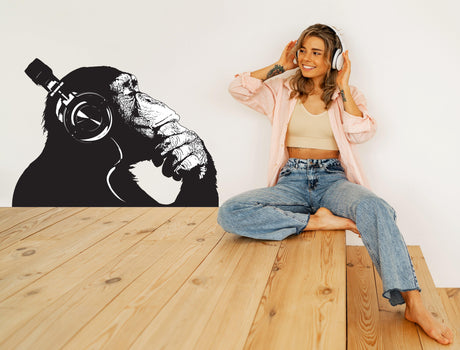
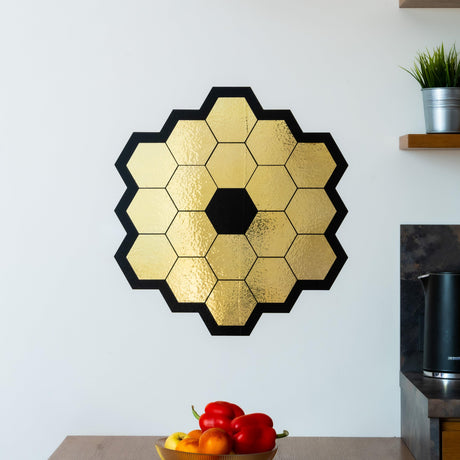
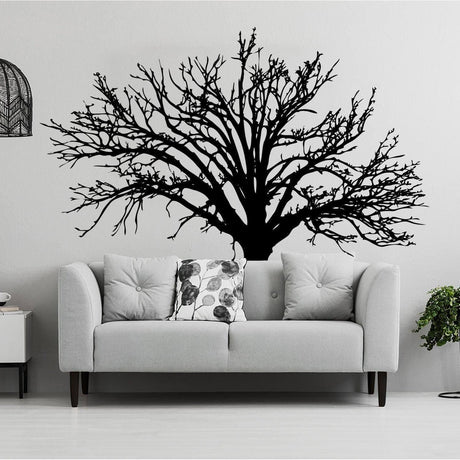
| Large wall decal | One graphic or separate shapes adhere to selected areas | Finished arrangement, transfer material and whether full wall coverage is intended |
These formats should not share one universal installation or removal instruction. Confirm the exact product before comparing price, difficulty or future commitment.
Match the product to the display period
Define whether the project is for an event, a rental period, a seasonal room update or a longer installation. A material intended for short-term display may prioritise easier removal, while another product may prioritise stronger long-term adhesion. The stated service conditions matter more than the marketing label.
Assess the wall compatibility
| Wall condition | Planning response |
|---|---|
| Stable, smooth and fully cured paint | Usually the most predictable starting point, subject to product compatibility |
| Fresh paint | Wait for the full cure period stated by the paint manufacturer |
| Pronounced texture | Reduced contact area can affect adhesion and appearance; test the exact material |
| Loose, chalky or repaired coating | Repair and stabilise the wall before considering adhesive covering |
| Stain-resistant or highly washable paint | Some coatings can reduce adhesion; a sample test is important |
| Damp or recurring condensation | Correct the moisture source before covering the wall |
| Existing wallpaper | Do not assume it provides a stable base or predictable future removal |
Use a sample for the actual wall
A sample can help assess colour, opacity, surface texture, initial adhesion and removal behaviour. Apply it to the intended wall coating, not a different room or spare board. Follow the supplier’s test period. Check the edges over time and remove the sample using the stated method.
A successful sample is useful evidence for that location, but it cannot guarantee the same result over damaged areas, repairs or sections exposed to different heat or moisture.
Measure before selecting the panel system
- Measure wall width at the top, middle and bottom.
- Measure height at the left, centre and right.
- Record windows, doors, sockets, switches, slopes, coving and skirting.
- Photograph the wall straight on and include a known measurement.
- Ask how the supplier handles trimming allowance, pattern repeat and panel joins.
- For custom artwork, approve the final crop and panel divisions.
Use the supplier’s required allowance rather than adding an arbitrary amount. A wall that is not square may require extra material or a different crop strategy.
Compare material and finish
- Matte finishes generally reduce glare on large images.
- Gloss or smooth films can show wall defects and reflected light more clearly.
- Opaque material can reduce interference from a strong wall colour, but opacity must be confirmed.
- Textile-based and vinyl-based products can handle, stretch and remove differently.
- Panel width affects the number of seams and the difficulty of controlling each section.
- A laminate may add print protection but also changes thickness and edge behaviour.
Consider the room conditions
Kitchens, bathrooms, exterior-facing walls and areas near radiators need separate assessment. Wipeable does not automatically mean suitable for direct splashes, steam or repeated commercial cleaning. Confirm temperature, humidity, ventilation and cleaning requirements for the exact product.
Plan rental use carefully
Obtain the property owner’s permission where required. Record the wall condition before installation and retain the product instructions. A removable adhesive can reduce commitment, but it cannot guarantee that weak, recently painted or unprimed surfaces will remain unchanged.
Estimate the installation difficulty
A small accent panel and a full-height mural are different projects. Tall panels, complex rooms, strong pattern repeats and important seam alignment can justify a second person or professional installer. Review the complete technical process in the panel alignment and installation guide.
Plan future removal before ordering
Ask how the product should be warmed, peeled and cleaned after removal. Work slowly at the recommended angle and stop if the paint begins to lift. Adhesive residue should be treated only with a cleaner compatible with the wall coating. Repainted areas, filler, loose paint and long exposure to heat can change removal behaviour.
Removable wallpaper or wall decals?
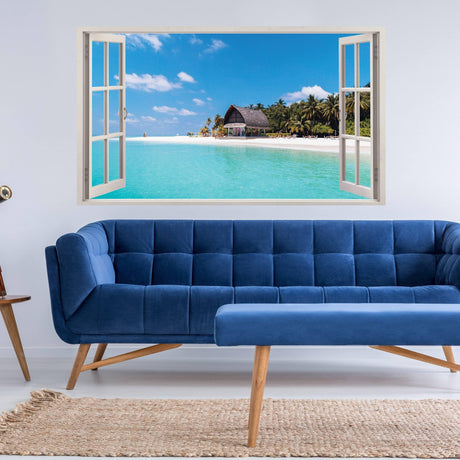
Choose removable wallpaper when the design needs continuous coverage across a substantial wall area. Choose wall decals when separate shapes, lettering or a focal graphic should leave the original wall visible. For large connected artwork, compare the wall mural formats and measuring guide.
Frequently asked questions
Is removable wallpaper safe for every painted wall?
No. Compatibility depends on the adhesive, paint type, cure, preparation, texture and installation period.
Can it be installed over existing wallpaper?
Only when the product and underlying wallpaper are specifically assessed as compatible. Existing seams and adhesive create additional uncertainty.
Will it hide wall defects?
It can change colour or graphics, but it does not level bumps, cracks or pronounced texture.
Can panels be repositioned?
Only to the extent stated for the exact material. Repeated lifting can stretch the panel or contaminate the adhesive.
How much should I order?
Use verified measurements, the supplier’s panel plan, trimming allowance and pattern-repeat requirements.