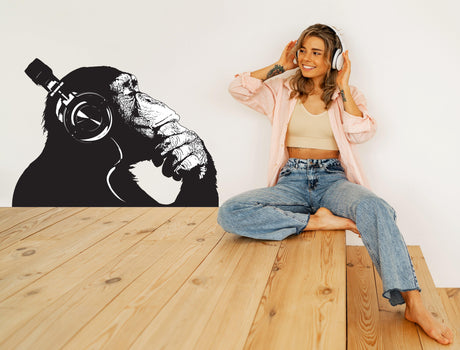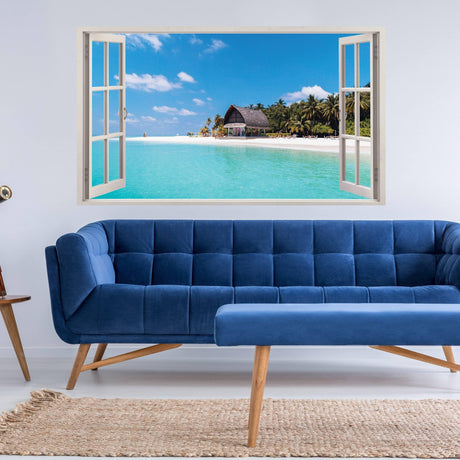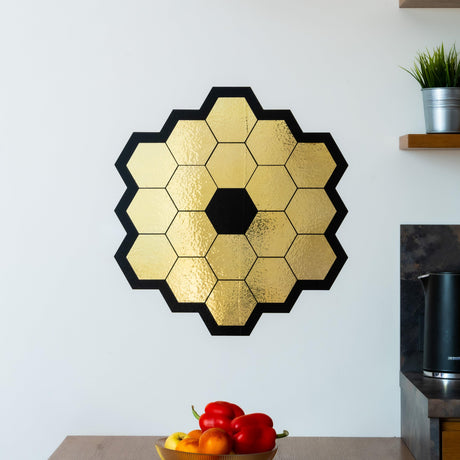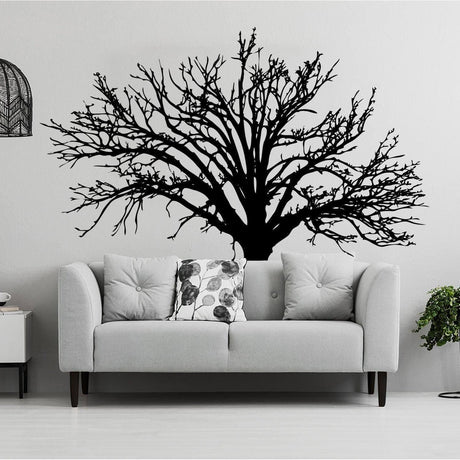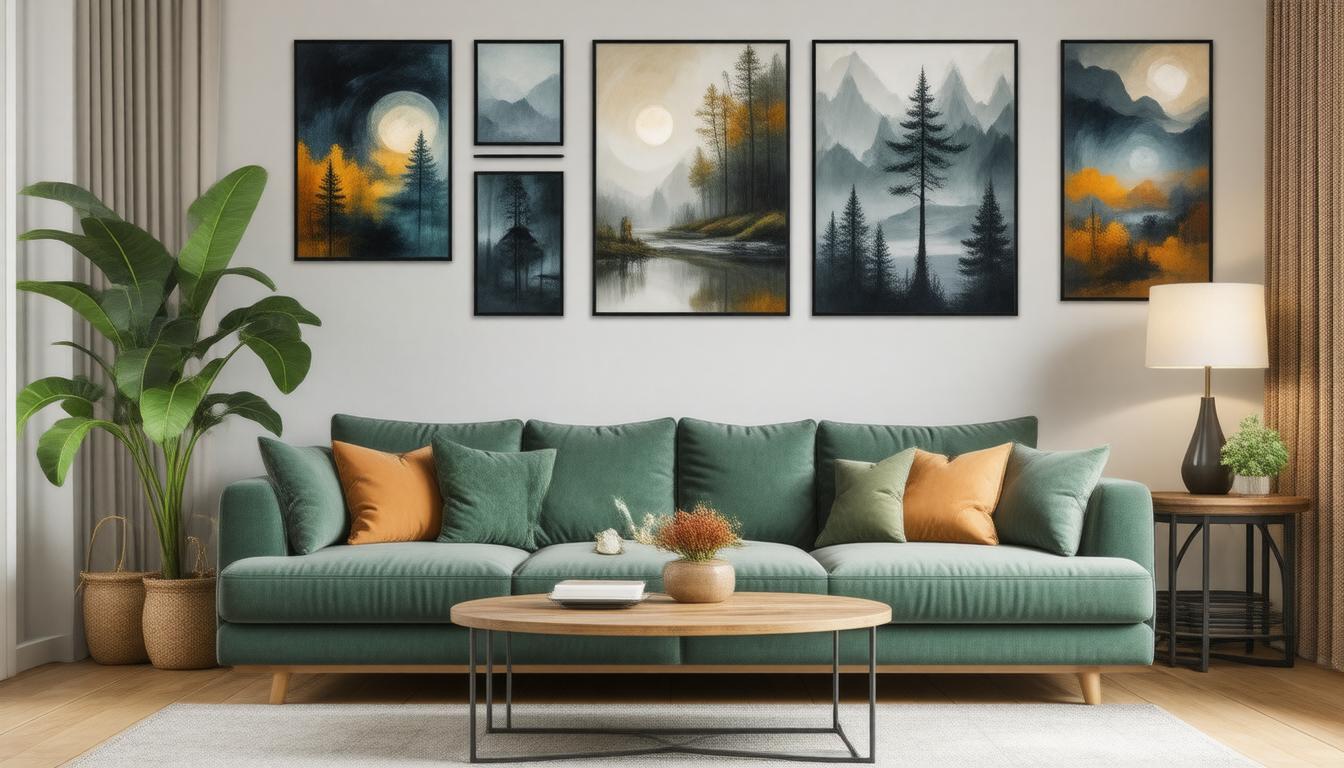
Printed wall art may be supplied as posters, canvas, self-adhesive graphics, wallpaper panels or rigid boards. These formats differ in image reproduction, mounting, weight, surface requirements and care.
Choose the format by location
A framed poster, stretched canvas, adhesive print and rigid panel create different depth and finish. Consider room humidity, direct sunlight, cleaning and how permanent the installation should be.
Check artwork quality
Use original high-resolution or vector files. Image resolution must be assessed at final print size and viewing distance. Small web images and screenshots may not scale cleanly.
Plan the finished dimensions
Measure the wall after accounting for furniture, switches and doors. Mark the outline with painter's tape. A single large piece and a multi-panel arrangement need different spacing.
Review crop and color
Important subjects and text should remain away from trim areas and panel gaps. Review a proof showing final crop. Screens, lighting and print material can change perceived color.
Use the correct mounting method
Follow the instructions for the exact weight and wall type. Adhesive graphics require a compatible surface, while rigid panels may require mechanical fixings.
Plan care and replacement
Use only approved cleaning methods and keep the source artwork and approved proof. These records help if the piece must be replaced or produced in another size.
Frequently asked questions
Which file type is best for wall art?
The best format depends on whether the artwork contains photography, illustration, text or vectors.
How large should wall art be?
Base the size on wall area, furniture width and viewing distance rather than one universal rule.
Can printed wall art be used in a bathroom?
Only when the exact material and mounting method suit the expected humidity and cleaning.