A successful home makeover starts with a defined problem, realistic budget and practical sequence. Changing every surface at once is rarely necessary. A focused update to lighting, storage, color or one wall can improve how a room functions without becoming a complete renovation.
Define the problem before choosing products
Write down what is not working: poor storage, weak lighting, visual clutter, damaged finishes, difficult furniture flow or a room without a focal point. Separate functional needs from decorative wishes so the budget addresses the most important issues first.
Record the existing room
Measure the walls, furniture, doors and circulation paths. Photograph the room from the entrance and main activity areas. Note which items must remain, which can move and which should be removed. This creates a reliable starting point and prevents buying products that do not fit.
Set a complete budget
- Materials and decorative products
- Tools, fixings and consumables
- Delivery and waste removal
- Professional labor where required
- A reserve for hidden repairs or measurement errors
Compare the complete installed cost rather than only the purchase price. A low-cost finish can become expensive when surface preparation or correction requires significant time.
Plan the order of work
- Find and repair moisture, loose finishes or structural defects.
- Complete electrical, plumbing or fixed construction work with suitable professionals.
- Prepare and paint walls, ceilings and trim.
- Install fixed furniture, lighting and storage.
- Position movable furniture.
- Add decals, prints, textiles and smaller details last.
This order reduces the risk of damaging finished decorative surfaces during heavier work.
Choose a limited visual system
Select a restrained palette and repeat a few materials across the room. Use reference images for direction, but adapt them to the actual light, dimensions and furniture. Avoid purchasing unrelated items before the overall plan is clear.
Improve function before decoration
Check whether furniture blocks doors, walking routes, heating or light. Add storage where clutter collects rather than where an empty wall happens to be available. A room that functions poorly will not be corrected by adding more visual elements.
Use lighting as part of the makeover
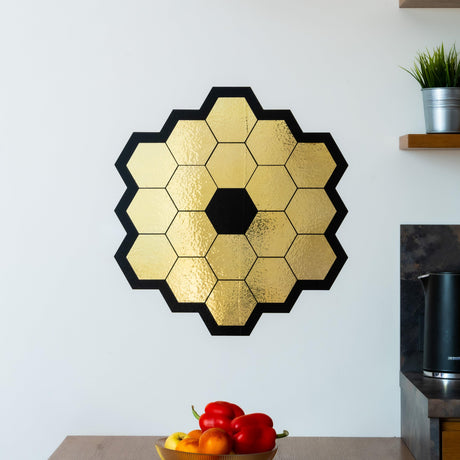
Review natural light, general lighting and task lighting separately. Test colors and wall art under the light used in the evening as well as in daylight. Glossy and metallic finishes can create reflections that are not visible in a screen preview.
Decide between DIY and professional work
Painting, simple decor and some small decal installations may suit a careful DIY approach. Electrical, plumbing, structural changes, high access and complex large-format installations can require professional work. Choose based on risk, tools and skill, not only price.
Create one focal area
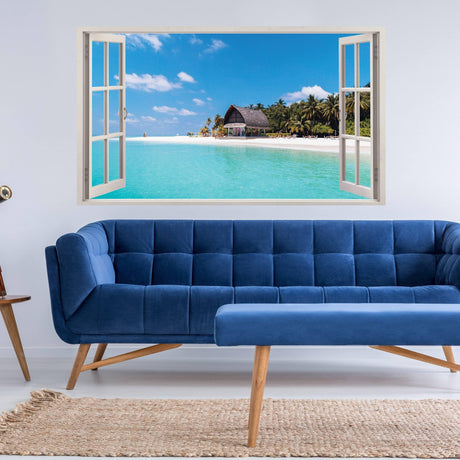
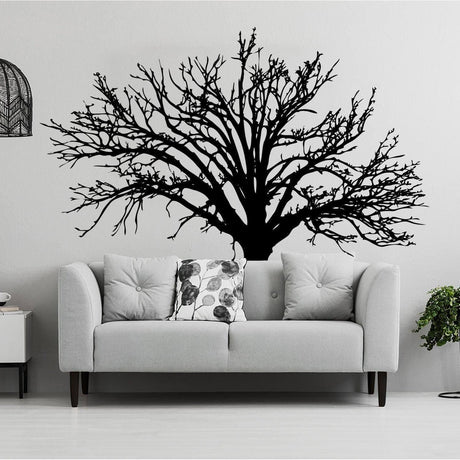
A wall decal, mural, framed arrangement or different paint color can anchor the room. Measure around furniture, switches and lighting before choosing the scale. One planned focal wall usually works better than several unrelated accents.
Prepare every surface correctly
Decorative products cannot correct loose paint, dampness or structural damage. Repair the cause first. Let new coatings cure according to their manufacturer. For adhesive decor, clean the wall with a compatible method and test a hidden area.
Stage the makeover when useful
A phased plan can reduce disruption and show which changes make the biggest difference. Complete repairs and functional changes first, then evaluate the room before purchasing the final decorative layer.
Frequently asked questions
Should the whole room be renovated at once?
No. A staged makeover can control cost and reveal which functional or visual changes are still needed.
Can wall decals cover damaged paint?
They should not be used to hide loose, damp or unstable surfaces. Repair and prepare the wall first.
What should be purchased first?
Start with necessary repair materials and major functional items. Decorative pieces should follow the measured room plan.
How can impulse purchases be avoided?
Keep a list of required dimensions, colors and functions. Buy an item only when it fits the agreed room plan and budget.