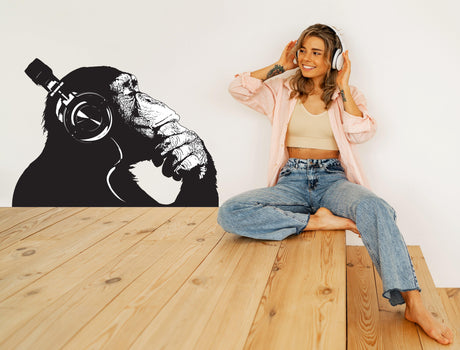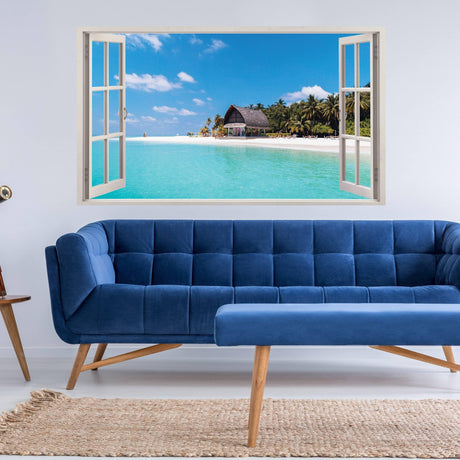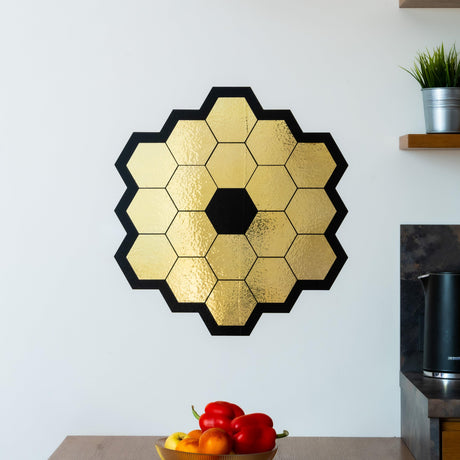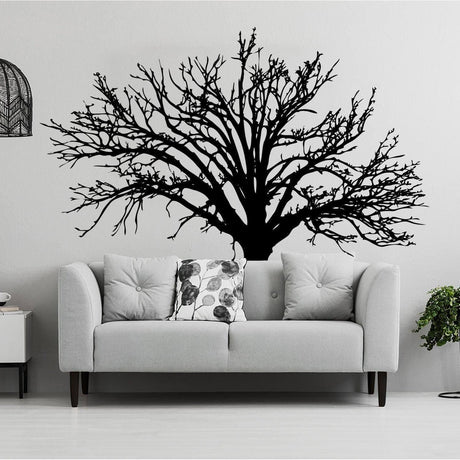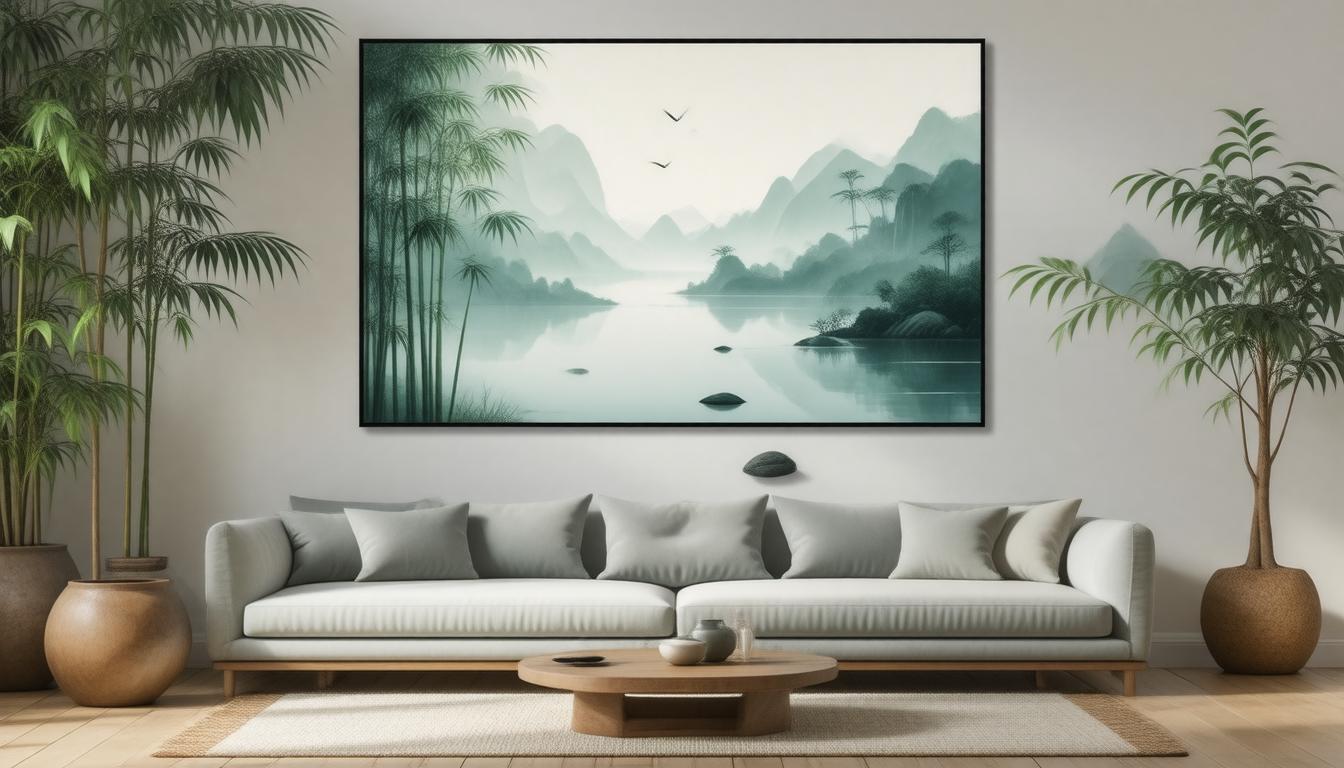
Calm minimalist wall art uses restrained composition, open space, natural forms or simple symbols. It can support a chosen interior atmosphere, but decoration should not be described as guaranteeing calm, sleep, focus or another health or emotional result.
Choose a visual approach
Options include line art, balanced geometry, botanical forms, landscapes and limited typography. Use fewer elements and allow open wall space around the composition.
Understand symbols and context
When using cultural, philosophical or spiritual symbols, verify their meaning, orientation and context. Select original or licensed artwork and avoid changing sacred or culturally specific elements only for decoration without understanding them.
Plan color and material
Soft contrast can create a quieter appearance, while dark lines improve readability. Paper prints, canvas, wall decals, murals and rigid pieces use different mounting and care methods.
Measure the composition
Mark the outer dimensions with removable tape. Align the artwork with furniture and architectural lines rather than placing it only at the mathematical center of the wall.
Check the surface and light
Consider glare, direct sunlight, wall texture and paint condition. Adhesive products require a compatible surface, while framed or rigid pieces require suitable fixings.
Frequently asked questions
Can minimalist art make a room feel calmer?
People may perceive it that way, but the effect is subjective and not guaranteed.
Can the colors be customized?
Often yes. Confirm available materials and approve a sample when exact color matters.