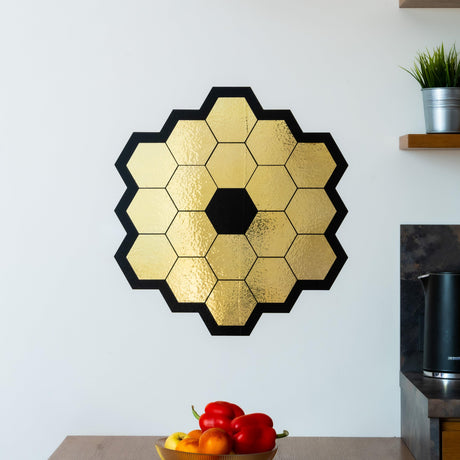
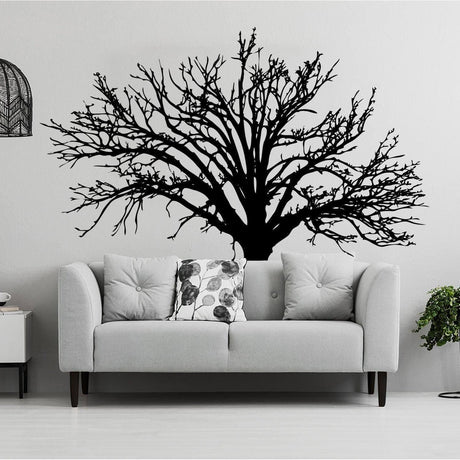
Kitchens expose surfaces to heat, steam, grease, splashes and repeated cleaning. A nearby dry wall can be more suitable than a work surface or cooking zone.
Looking for a design for a suitable dry wall? Browse our kitchen wall stickers and decals, then compare the listed dimensions with your available space. Check the exact product against the heat, moisture and cleaning conditions below; a kitchen theme does not make a decal suitable for a cooking or splash zone.
Map exposure zones
Identify areas near the hob, oven, sink, dishwasher, kettle and vents. Keep general interior decals away from direct heat and repeated splashes unless specifically approved.
Check the substrate
Painted walls, tile, glass and cabinet finishes require different preparation and adhesives. Confirm compatibility before installation.
Review cleaning routines
Strong cleaners, degreasers and abrasion can affect printed surfaces and edges. Choose a location that can be maintained according to the product instructions.
Use concise content
Short labels, botanical forms or a measured focal design are easier to integrate than dense text in a visually active kitchen.
Inspect ventilation and moisture
Persistent condensation or grease buildup can reduce adhesion. Address the underlying condition before decorating.
Frequently asked questions
Can a wall sticker be placed behind a hob?
Do not assume it is suitable. Heat, flame, steam, grease and required clearances make this a product-specific and safety-related decision.
Are kitchen decals waterproof?
Water resistance varies. Confirm the material and avoid unapproved wet or splash zones.