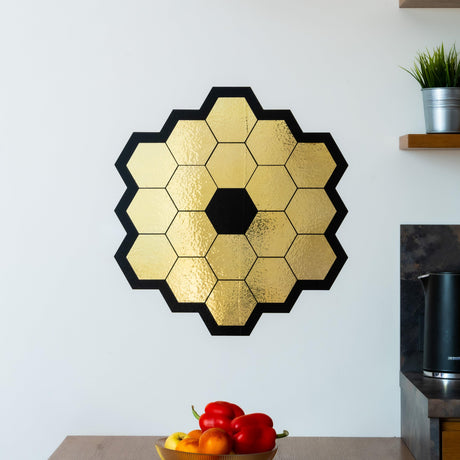
Vinyl stickers are used on walls, windows, vehicles, signs, packaging, equipment and many other surfaces. The term describes a broad product family rather than one universal material. Adhesive, film thickness, print method, finish and protective layer must be matched to the application.
Identify the application first
Indoor wall graphics, window lettering, vehicle decals and product labels face different conditions. A sticker designed for a smooth interior wall should not automatically be treated as suitable for outdoor exposure, vehicle washing, floors or high-contact equipment.
- Wall stickers require compatibility with the paint and wall texture.
- Window graphics may need transparency, privacy or viewing-direction planning.
- Vehicle decals require suitable automotive film and careful surface preparation.
- Packaging stickers need the correct adhesive for paper, plastic or coated surfaces.
- Floor graphics need a specified system designed for wear and slip considerations.
Compare common vinyl formats
Cut vinyl creates solid-color text and shapes with no printed background. Printed vinyl supports photographs, gradients and multiple colors. Clear film can create transparent areas, while opaque film blocks the surface beneath. Laminated products add a separate protective layer when the application requires it.
Ask for the actual product specification. Words such as permanent, removable, premium or outdoor are not enough to compare materials accurately.
Prepare artwork for the chosen method
Vector files are usually best for cut lettering and simple logos. Printed graphics need adequate resolution at the final size. Contour-cut artwork also requires a clean cut path and enough space around fine details.
Very thin lines and tiny separate elements may be difficult to weed, transfer or apply. Simplifying artwork can improve production reliability and make installation easier.
Check the surface and environment
The application surface should be clean, dry and free from dust, grease, wax and loose material. Fresh paint needs adequate curing time. Texture, flexible plastics, silicone, low-surface-energy materials and some coatings can reduce adhesion.
Temperature during application and service can influence adhesive performance. Test a sample when the substrate is unusual or the project is large.
Apply vinyl stickers carefully
- Confirm position with measurements and removable tape.
- Clean the surface using the product-specific method.
- Separate only a small section of backing at first.
- Apply gradually with even pressure from the center outward.
- For transfer-tape graphics, press the design firmly before removing the tape at a low angle.
- Inspect edges and small elements without stretching the film.
Large printed graphics may use a different wet or dry method depending on the film and adhesive. Follow the supplied instructions rather than choosing a method from a different product.
Understand durability and warranty limits
Service life depends on the film, ink, protective layer, substrate, exposure, cleaning and installation. Product guarantees must be read at listing level. Decords' two-year guarantee applies only to qualifying printed interior wall decals, not automatically to every vinyl sticker, vehicle graphic, window product, floor graphic or packaging label.
Care and removal
Use cleaning products and tools permitted for the exact vinyl system. Abrasive cleaners, solvents, pressure washing and sharp tools can damage some graphics. For removal, warm and lift the material only when recommended, working slowly and testing the substrate.
Frequently asked questions
Are all vinyl stickers waterproof?
No. Suitability for water or weather exposure depends on the complete product system and must be confirmed in the specification.
Can the same sticker be used on a wall and a vehicle?
Not automatically. Wall and automotive films are designed for different surfaces and conditions.
Why is a sample useful?
It helps evaluate color, finish, adhesion and application on the actual substrate before a larger order.