Kitchen wall art must be chosen for more than appearance. Heat, steam, grease, cleaning and food-preparation zones affect materials and placement. A product suitable for a living room may not be suitable near a sink, hob or oven.
Map the kitchen conditions
Identify heat sources, water, direct sunlight, ventilation and areas that are cleaned frequently. Keep decorative products away from flames, hot surfaces and required access to appliances or controls.
Choose the format
- Framed prints need protection appropriate for the location.
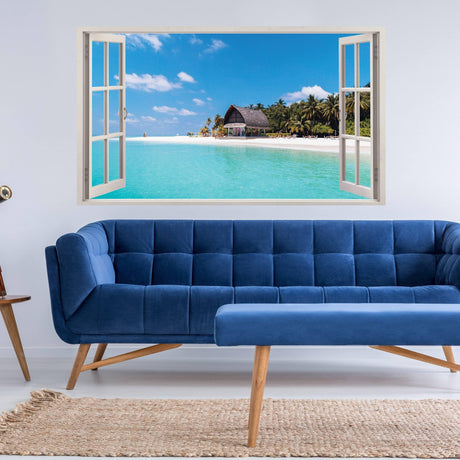
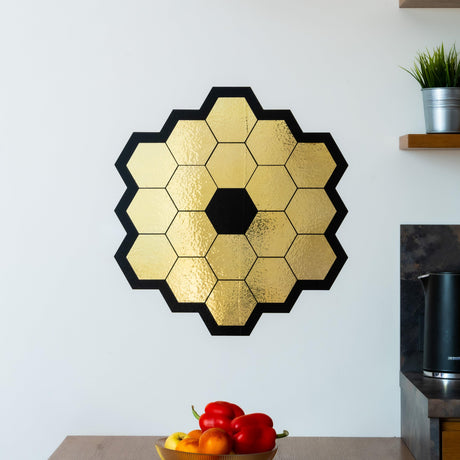
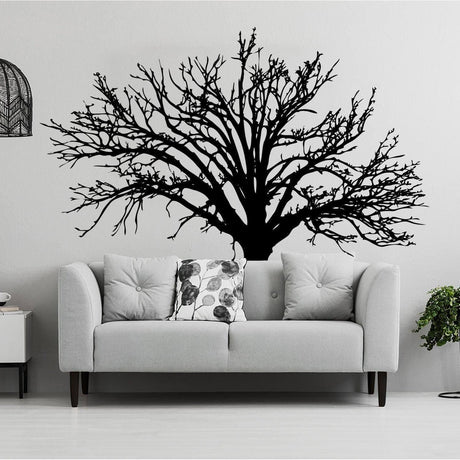
- Wall decals require a compatible, clean and stable surface.
- Rigid signs need suitable fixings.
- Glass graphics require a separate material specification.
Do not assume that a product is waterproof, heat-resistant or suitable for strong cleaning agents unless this is documented.
Plan size and placement
Measure open wall areas after cabinets, shelves, outlets and appliances. Artwork should remain visible without interfering with work zones. Small groups need consistent spacing and accessible cleaning around them.
Select artwork responsibly
Use original or licensed illustrations and wording. Check reproduction rights for recipes, photographs, labels and branded packaging images. Review spelling and measurements carefully when the design contains practical information.
Prepare the surface
Remove grease using a method appropriate for the wall finish and allow the area to dry. Adhesive products may not bond reliably to textured, contaminated or unstable coatings. Test when uncertain.
Care and inspection
Follow the product-specific cleaning instructions. Check edges, fixings and the surrounding wall periodically in high-use areas.
Frequently asked questions
Can a wall decal go behind a hob?
Only if the product and location meet the documented heat, fire, cleaning and building requirements. Otherwise choose another location.
Is every kitchen sticker washable?
No. Confirm the material, print protection and permitted cleaning method.