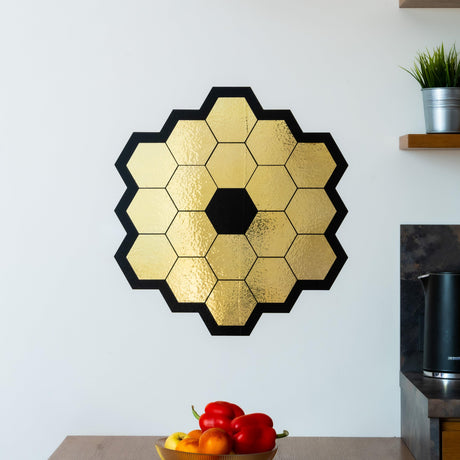
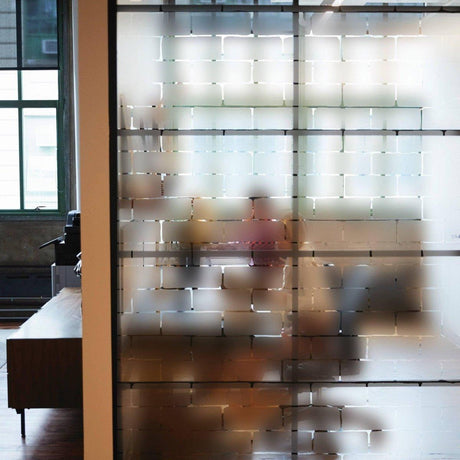
Abstract wall art uses color, shape, line and texture without requiring a literal subject. Selection should still consider artwork rights, scale, material and the relationship between the composition and the room.
Choose the visual role
Decide whether the artwork should create contrast, connect existing colors or provide a quiet background. A complex composition needs more open wall around it than a simple line-based design.
Plan scale
Measure the visible area above furniture and mark the proposed dimensions. Check the image from the normal viewing distance. Small details may disappear when enlarged or viewed across the room.
Use authorized artwork
Abstract does not mean unprotected. Do not copy a recognizable contemporary work or imitate a living artist as a substitute. Use original art, licensed assets or documented customer files.
Select the format
Paper, canvas, printed decals, murals and rigid panels have separate finishes, mounting methods and care instructions. Confirm image resolution, crop and color proofing for the selected format.
Coordinate color
Lighting, wall color and surface finish affect the result. A physical sample is useful when matching brand or interior colors.
Frequently asked questions
Can abstract art be customized?
Often yes, but confirm that changes are permitted and approve dimensions, crop and color before production.
Can a small file be enlarged?
Only if resolution, focus and viewing distance support the final size.