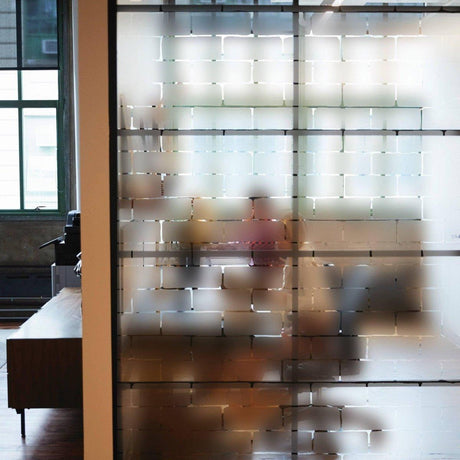
DIY decorations are most effective when the idea, materials and available space are planned together. Start with one focal point, then add supporting details without overcrowding the room.
Choose one visual direction
Define a limited color palette, one main theme and the mood you want the room to create. A short design brief helps separate useful ideas from decorations that do not belong together.
Measure before making
Record the usable width and height of each surface. Mark furniture, sockets, switches, shelves and door movement so the planned decoration does not interfere with the room.
Match materials to the surface
Paper, paint, fabric and adhesive graphics behave differently. Check texture, dust, moisture, heat and cleaning requirements before selecting a method.
Build a paper layout
Use paper shapes or low-tack markers to test scale and spacing. Review the layout from the normal viewing distance before making permanent changes.
Install in stages
Complete the focal element first, then reassess the remaining space. Staged installation makes it easier to correct balance and alignment.
Frequently asked questions
Can several DIY styles be used in one room?
Yes, but repeat at least one color, shape or material so the elements read as one composition.
Should adhesive decorations be tested first?
Yes. Test a small hidden area and follow the product instructions, especially on textured, recently painted or delicate surfaces.