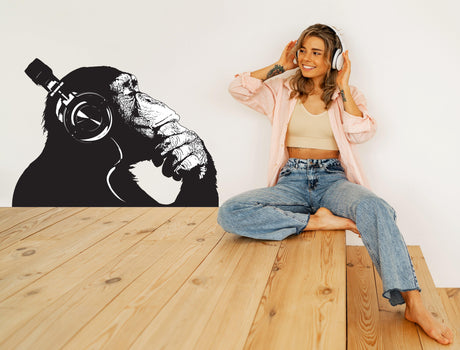
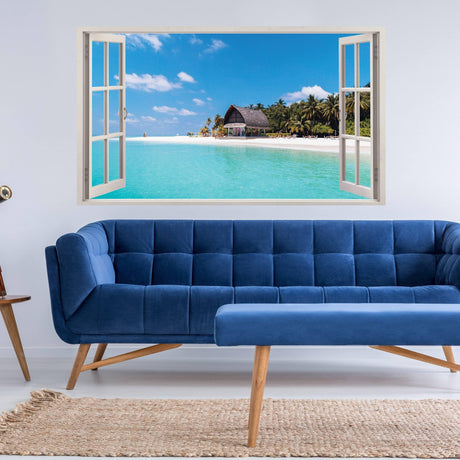
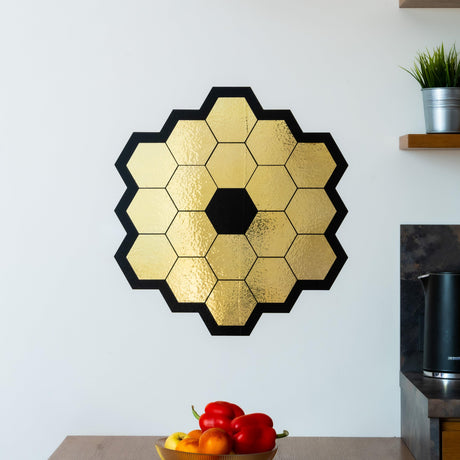
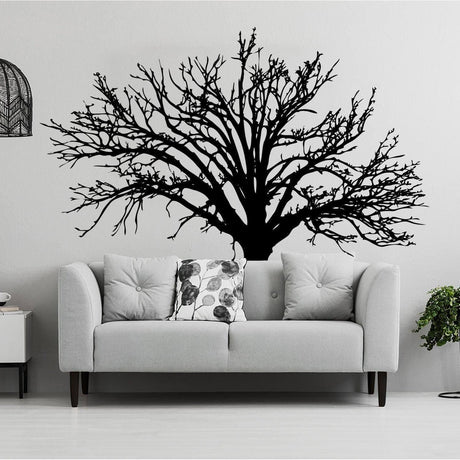
3D-effect wall stickers create an impression of depth through perspective, shadows, layered artwork or reflective details. The effect depends on viewing angle, lighting and scale rather than the image alone.
Understand the type of effect
Some designs only simulate depth in printed artwork, while others include raised or layered elements. Confirm the construction because thickness affects placement, cleaning and edge exposure.
Choose the main viewing angle
Perspective-based artwork can look convincing from one direction and distorted from another. Place a paper preview on the wall and inspect it from the room entrance and normal seating position.
Use lighting deliberately
Side lighting can strengthen printed shadows or reveal unwanted glare. Check the design in daylight and evening light before final placement.
Match scale to the wall
A small optical effect can disappear on a large empty wall. Measure the available area and keep enough open space around the design for the depth illusion to remain readable.
Compare two printed examples: the jellyfish and coral reef wall decal uses a broken wall scene, while the vase wall niche decal creates a faux shelf effect. Both are wall decals rather than physical shelves. Check the dimensions of your selected option before planning the viewing position.
Check the surface
Dust, texture, moisture and fresh paint can reduce adhesion. Clean according to the wall-finish instructions and test a small area before installation.
Frequently asked questions
Are 3D-effect stickers the same as 3D-printed objects?
No. A wall sticker can create visual depth through artwork or layers, while a 3D-printed object is a separate manufactured item with physical volume.
Will the effect look identical from every angle?
Not always. Perspective artwork is usually strongest from a planned viewing position.
Can a 3D-effect wall sticker be used on a floor?
Only when the exact product is specified for floor application and the surface, wear level and care method match its instructions.
Related guides
Related collection: Compare 3D-effect designs with other vinyl wall decals and wall stickers for different rooms and layouts.