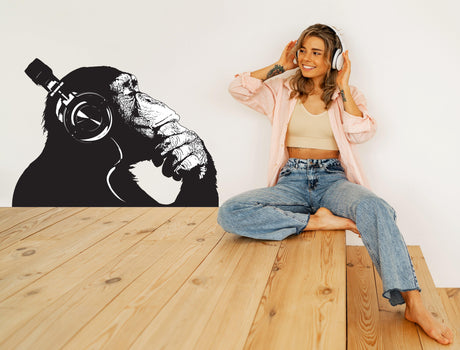
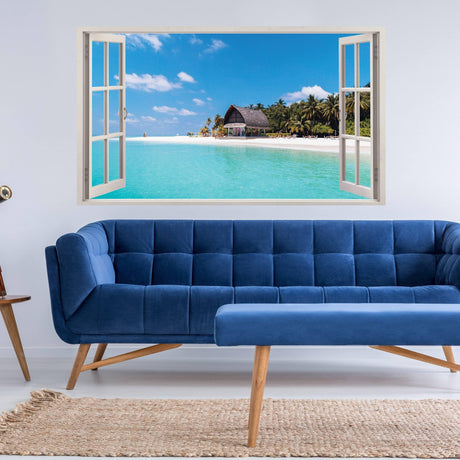
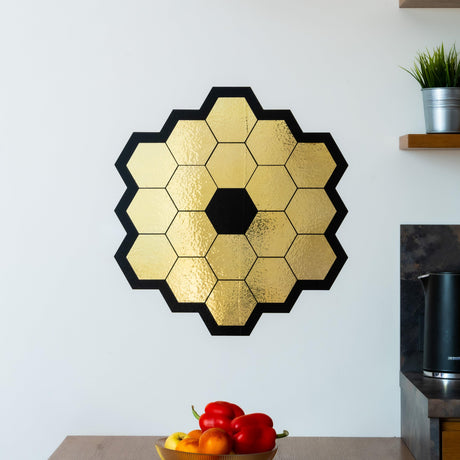
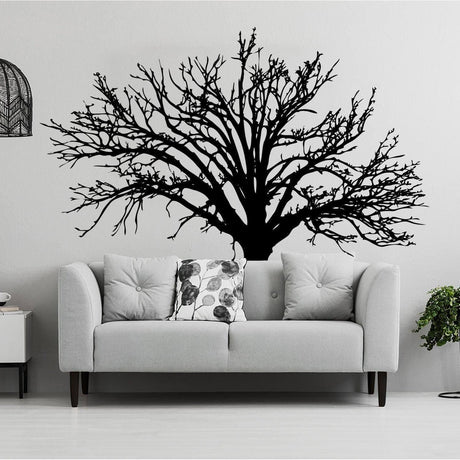
A wall decal should be selected for a specific wall, room and visual purpose. The design matters, but surface condition, dimensions, material, viewing distance and installation method determine whether the product suits the project.
Define what the wall should do
Decide whether the decal should create a focal point, identify a zone, display information, support a room theme or add a quiet background pattern. One clear purpose makes it easier to select the size and format. Avoid combining several unrelated messages on the same surface.
Inspect the wall before choosing a design
Identify the coating, texture, age and condition. Smooth, clean and fully cured painted surfaces normally provide the most predictable base. Dust, grease, dampness, loose paint and some specialty coatings can reduce adhesion. A decal should not be used to stabilize or hide an underlying wall problem.
Measure the usable area
Record the clear width and height after excluding furniture, sockets, switches, trim, ventilation and doors. Mark the proposed outer dimensions with low-tack tape. View the outline from the room entrance and the normal seating or working position before ordering.
Choose the right visual scale
A small decal can look disconnected on a wide empty wall, while an oversized design can compete with furniture. Designs above a sofa, bed or desk should relate to the furniture below them. Leave enough open wall around the composition so the edges remain clear.
Compare decal formats
- Cut vinyl: suitable for solid-color lettering and simple shapes.
- Printed decal: supports illustrations, photographs, gradients and several colors.
- Multi-piece set: allows flexible spacing but requires careful positioning of every element.
- Mural sticker: creates a wider connected composition while leaving some wall visible.
- Wallpaper mural: is often better for a continuous full-wall image.
Check the exact construction rather than assuming that all adhesive wall products install or remove in the same way.
Coordinate style and color with the room
Use the existing furniture, textiles, lighting and architectural lines as references. Botanical, geometric, abstract, typographic and landscape designs create different visual weight. Repeat selected colors already present in the room, but do not rely on a screen preview for an exact physical color match.
Consider the room's practical conditions
A bedroom, nursery, kitchen, bathroom and office can have different requirements for reach, moisture, heat, cleaning and viewing distance. Keep designs away from vents, controls and safety equipment. Use only products documented for the intended exposure.
Use authorized artwork
Choose original designs, licensed assets or artwork that you have permission to reproduce. For custom work, review a proof showing final dimensions, colors, crop, text, cut paths and orientation. A screenshot may not contain enough resolution for a large printed decal.
Read the individual product specification
Confirm intended surfaces, finish, application method, cleaning guidance and removal expectations. Do not assume that every decal is washable, reusable, repositionable or suitable for textured walls. Any warranty or performance statement should come from the exact product information.
Plan the installation
Let fresh paint cure according to the paint manufacturer's instructions. Clean the wall using a compatible method and allow it to dry completely. Establish level references, preview all pieces and apply gradually with even pressure. A large or detailed design may be easier to control with two people.
Plan future removal or redesign
Keep the product instructions and order information. Removal depends on adhesive, wall coating, curing, humidity and installation time. Peel slowly at a low angle and stop if the finish begins to lift.
Quick size example
Suppose the usable wall above a sofa is 84 in (213 cm) wide and 48 in (122 cm) high after allowing for lamps and shelves. A decal listed as 48 × 24 in (122 × 61 cm) leaves about 18 in (46 cm) of open space on each side. Mark that 48 × 24 in outline with painter's tape and view it from the room entrance and normal seating position before ordering.
Common mistakes to avoid
- Choosing from the lifestyle image alone. Mock-ups show style, not exact scale. Compare the written width and height with the real wall.
- Measuring the whole wall instead of the usable area. Exclude furniture, switches, shelves, moulding and other obstacles before selecting a size.
- Ignoring the paint finish. Fresh, dusty, heavily textured or stain-resistant coatings can behave differently with adhesive vinyl.
- Assuming every decal is reusable or repositionable. Check the exact material and adhesive before planning to move it later.
- Adding too many competing focal points. One strong wall graphic often works better than several unrelated designs in the same sightline.
Frequently asked questions
How large should a wall decal be?
Choose the size from the usable wall area, furniture scale and viewing distance, not only from the overall wall dimensions.
Can a wall decal be installed on textured paint?
Some products are not designed for texture. Check the exact guidance and test the intended surface before full installation.
Can a decal be removed without affecting paint?
No universal result can be guaranteed. Paint quality, curing, wall condition, adhesive and removal method all influence the outcome.
Should every wall in a room have a decal?
No. Open wall space improves balance and helps the main composition remain visible.