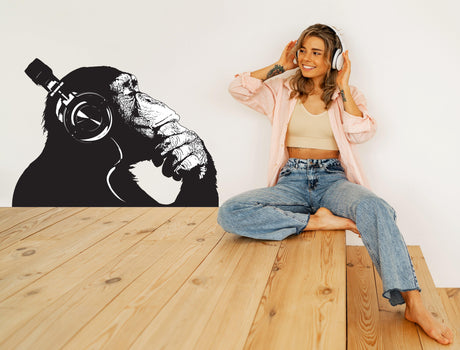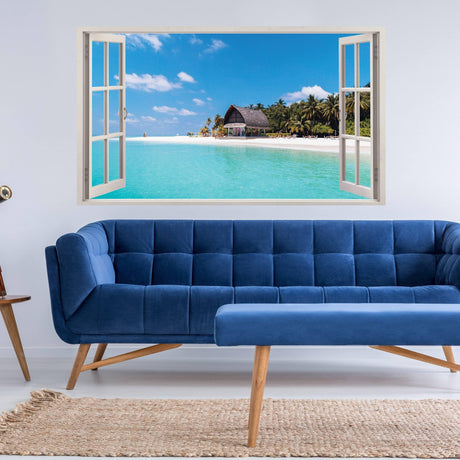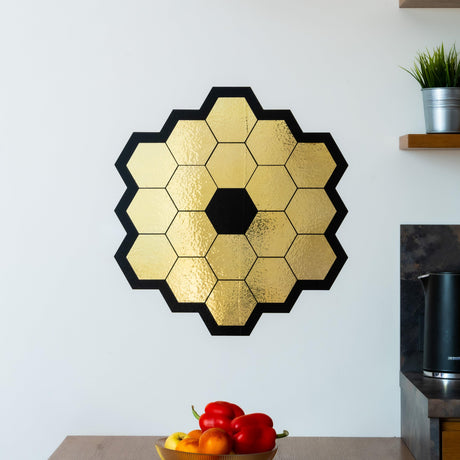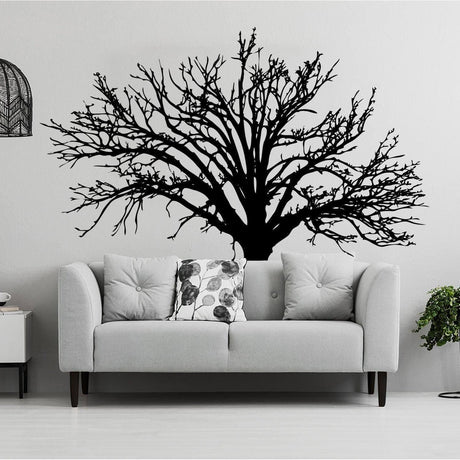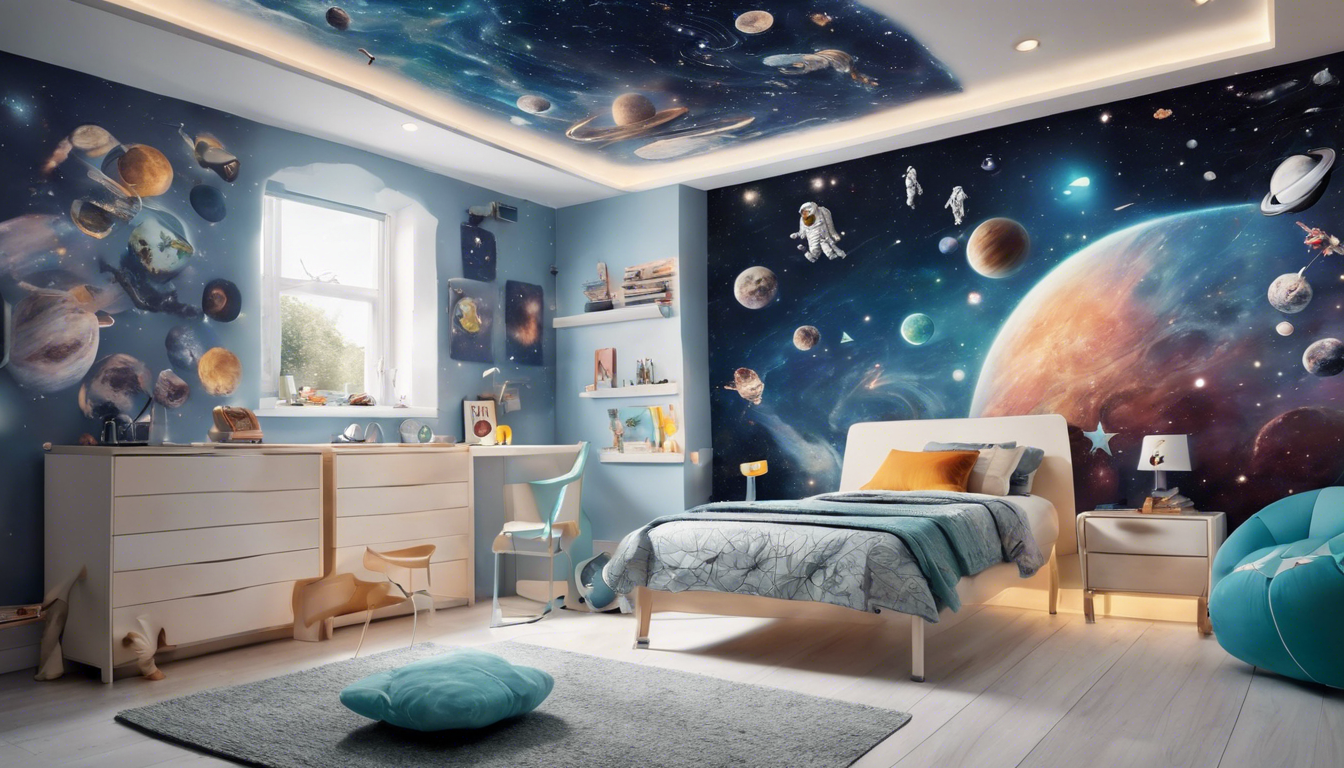
Space wall decor can use planets, stars, orbits, spacecraft-inspired shapes and scientific imagery. Original compositions allow a room to communicate curiosity and exploration without copying protected characters, fictional worlds or entertainment franchises.
Choose the purpose
A decorative night-sky pattern, a labeled educational diagram and an imaginative science-fiction scene require different levels of accuracy and detail. Decide whether the design is decorative, informational or both.
Verify artwork and facts
Use original or properly licensed artwork. For educational content, check names, scale, positions and scientific explanations with authoritative sources. Decorative diagrams should not be presented as precise scientific references.
Plan scale and viewing distance
Large planets create a focal point, while small stars form a pattern across a wider area. Fine labels must remain readable at the final size. Mark the composition on the wall before approving production.
Coordinate color and room lighting
Dark backgrounds can dominate a small room. Lighter line art or separate elements can keep more wall color visible. Glow, reflective or specialty effects must be confirmed in the individual product specification.
Select the format
Separate decals allow flexible placement. Printed panels suit detailed connected scenes. Framed prints and rigid pieces need their own mounting plan. Do not transfer decal guarantees to other formats.
For a decorative night sky, view the glow in the dark planet set with bonus stars. Check the product dimensions, included pieces and light charging guidance before planning the arrangement. Do not use a decorative set as a scale model of the solar system.
Frequently asked questions
Can a space design include a famous character or vehicle?
Only with appropriate licensing. Original genre-inspired imagery is a safer alternative.
Can it be used for education?
Yes, when the facts and labels are independently verified for that purpose.