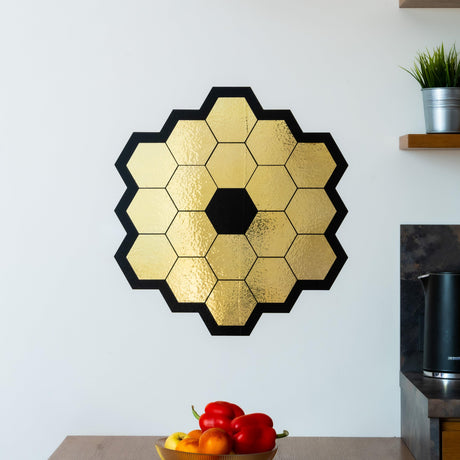
Peel-and-stick vinyl is used for wall graphics, lettering, windows, signs, furniture accents and other applications. It is not one universal material. Film, adhesive, print protection and intended substrate must be matched to the specific project.
Define the application
Interior wall decals, window graphics, vehicle film, floor graphics and furniture wraps face different levels of heat, moisture, movement and cleaning. A product intended for one category should not automatically be used in another.
Compare product construction
Cut vinyl creates solid-color shapes and lettering. Printed vinyl supports detailed images. Clear, opaque, matte and gloss films produce different visual results. Some applications use an additional laminate, while others do not require one.
Check surface compatibility
The substrate should be clean, dry and stable. Texture, silicone, dust, grease, fresh paint and low-surface-energy plastics can reduce adhesion. Test a sample when the material or coating is uncertain.
Evaluate claims carefully
Terms such as removable, safe, durable or easy to apply need product-specific conditions. Confirm service environment, care, removal method and guarantee in the individual listing. The Decords two-year guarantee covers only qualifying printed interior wall decals, not every peel-and-stick vinyl product.
Plan the artwork and installation
Check file resolution, cut paths, final dimensions and orientation. Establish a reference line, remove backing gradually and apply even pressure. Large sections may need a different installation method from small stickers.
Frequently asked questions
Is peel-and-stick vinyl suitable for every surface?
No. Suitability depends on the exact film, adhesive, substrate and conditions.
Can it be used outdoors?
Only when the complete product system is specified for outdoor exposure.