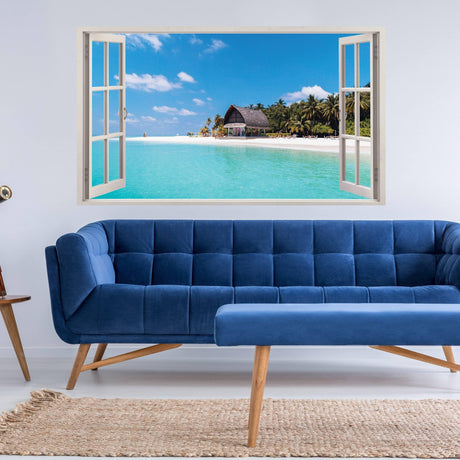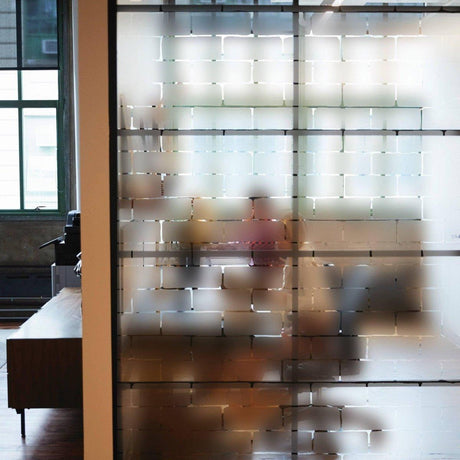
Window stickers can provide decoration, privacy, wayfinding or promotional information. Static cling, self-adhesive film, perforated graphics and cut lettering serve different purposes and should be selected by the actual glass, viewing direction and exposure.
Define the required function
Decide whether the graphic should be visible from outside, provide partial privacy, display opening hours or form a seasonal decoration. One clear function helps determine coverage and material.
Choose the window graphic type
Static cling is different from adhesive film. Perforated graphics change visibility through the glass. Cut lettering leaves clear glass around the design. Check installation side, print direction and indoor or outdoor rating.
Measure the glass area
Measure between seals and frames in several places. Account for handles, sensors, glazing bars and mandatory safety markings. Large panes may require several aligned sections.
Protect visibility and information
Do not block required sight lines, exits, safety bands or legal notices. Keep opening hours, addresses and other essential text readable from the intended side.
Prepare and install
Use the cleaning and application method stated for the film. Residue, silicone, dust and moisture can affect adhesion. Establish a level reference and work gradually.
Plan cleaning and removal
Use approved cleaners and avoid directing tools or pressure against vulnerable edges. Exterior exposure and long installation periods can change removal behavior.
Frequently asked questions
Can wall stickers be used on glass?
Only when the product lists glass as a compatible surface.
Can window stickers be installed outside?
Only products rated for exterior exposure should be used outside.
Can a window graphic provide complete privacy?
That depends on material, coverage and lighting. Confirm the exact performance required.